


Ask ten people what makes Curaçao unique, and you’ll get ten different answers. Let’s talk about one: the distinctive blend of cultures from residents who claim over 50 nationalities and ethnicities. Sunshine, white sand, turquoise water, and world-class diving are all here, but beyond the shores, so is a fusion of European, Caribbean, and Latin American cultures you can see, hear, and taste from the moment you arrive. For travelers who want more than a beach chair (though we have plenty of those), Curaçao is a destination with real character. And LionsDive Beach Resort, located directly on Mambo Beach just a few minutes from downtown Willemstad, is an easy home base for discovering all of it.
Dutch Heritage: A Mark Made on Curaçao’s Character
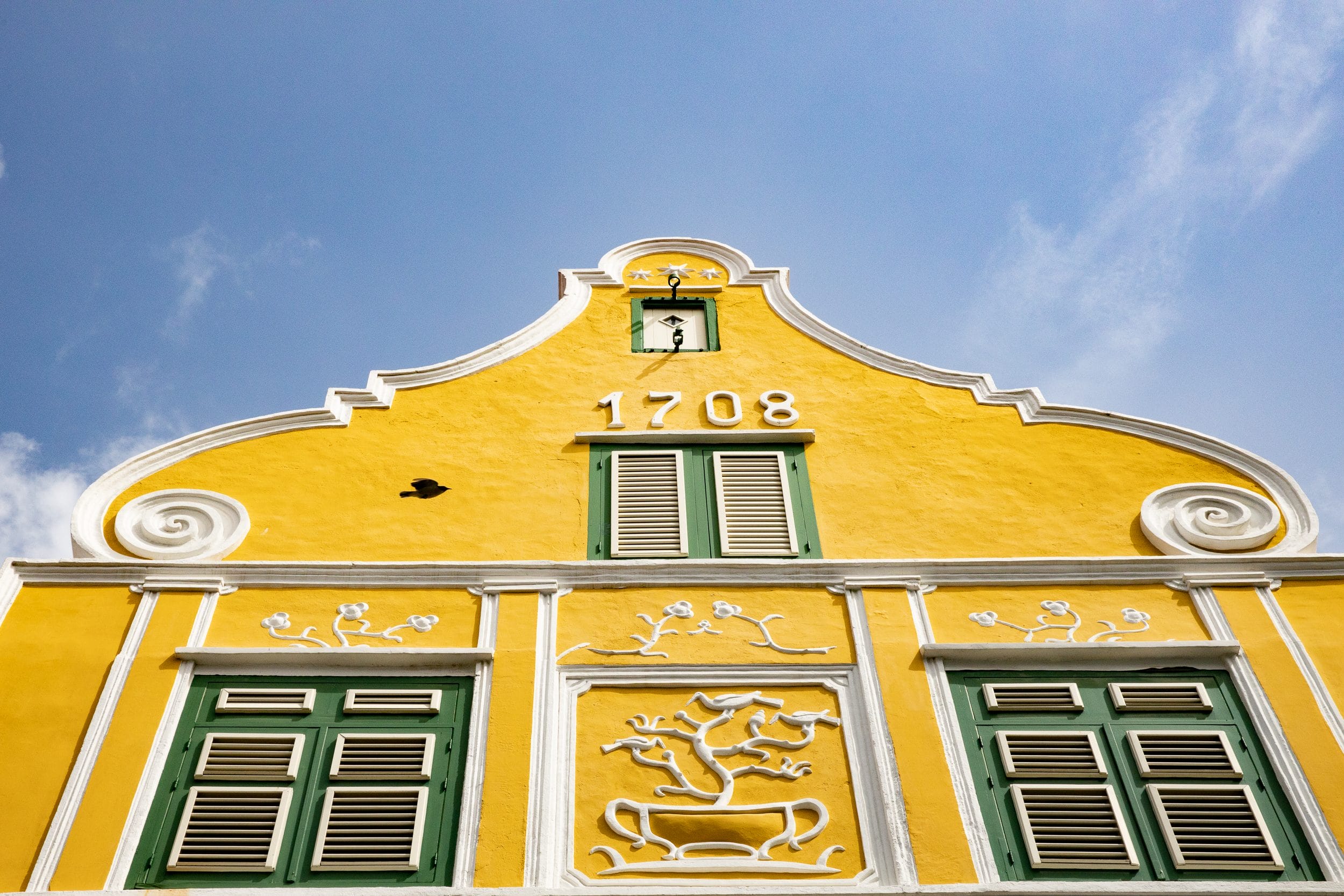
Curaçao is a country within the Kingdom of the Netherlands, and the Dutch influence shows up right away. Though the Dutch weren’t the first to claim the island, they established a trading settlement at Willemstad’s natural harbor in 1634, and today the historic area of Willemstad is a UNESCO World Heritage Site. Its four historic districts (Punda, Otrobanda, Pietermaai, and Scharloo) are lined with buildings painted in red, blue, yellow ochre, and shades of green, a local tradition dating back to 1817. Stroll across the floating pontoon bridge, wander Punda’s narrow alleys, and you’ll feel like you’ve found a corner of Europe reimagined in Caribbean color.
Caribbean Kitchens: Where Spices Meet Soul
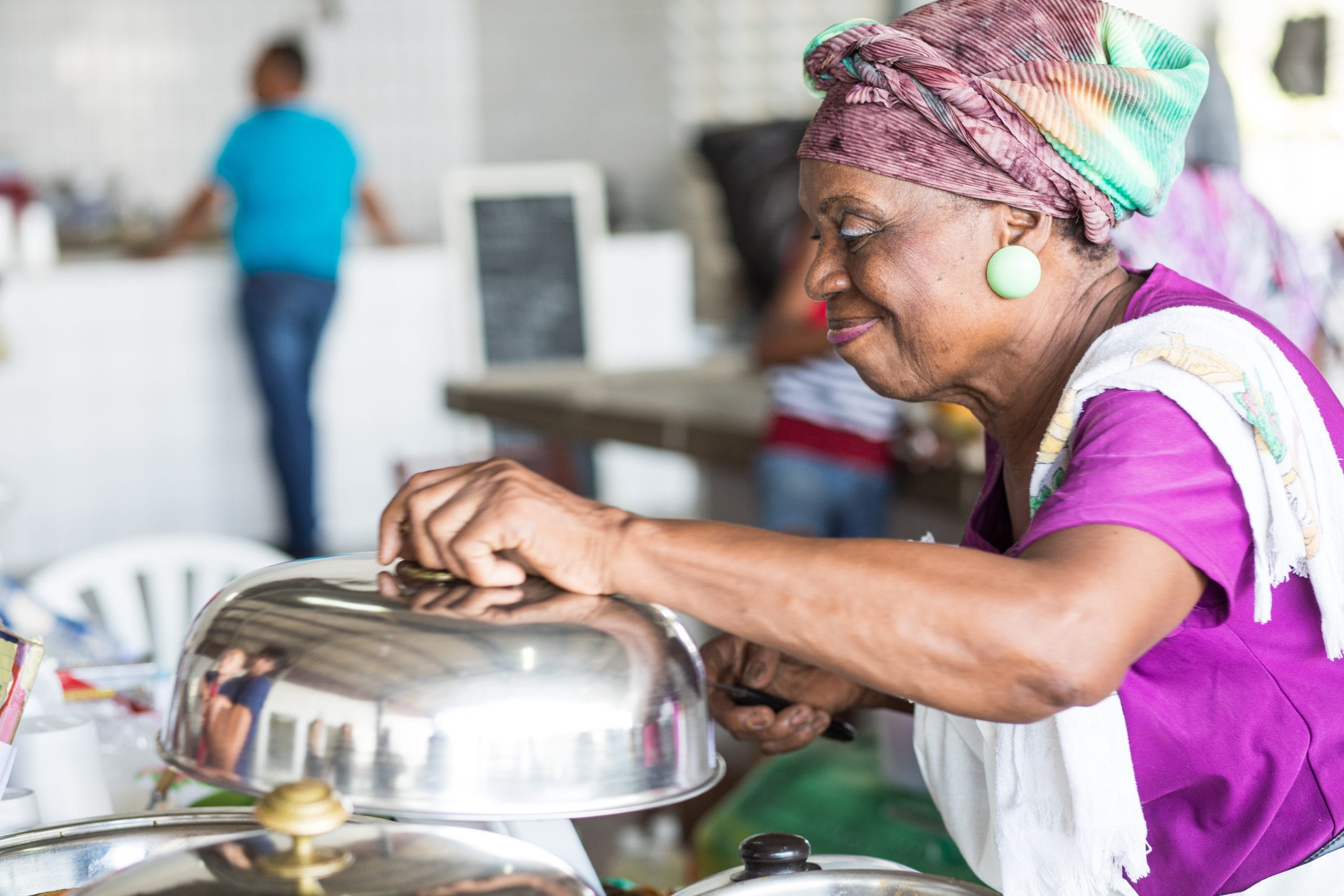
Goat stew. Cactus soup. And yes, even iguana is on the menu in Curaçao’s traditional kitchens. Savor the flavors of island life on and off the resort: order pastechi (a bit like an empanada), johnny cakes (filled only with cheese or stuffed with meat, veggies, and more), or pumpkin pancakes (pumpkins are even grown on the island) for breakfast or a snack. For lunch or dinner, indulge in a stobá (stew), whole red snapper, or keshi yená, a famous national dish made of a large hollowed-out ball of cheese stuffed with spiced meat, capers, olives, onions, and raisins, then baked or steamed. Through these recipes and more, your taste buds meet the ingredients that have flowed through the islands for generations.
Latin American Influence Just Off the Coast
Located about 65 km (40 miles) north of the Venezuelan coast, Curaçao has long been shaped by its South American neighbors. Spanish is widely spoken alongside Dutch and English, and you’ll notice Latin warmth in the island’s music, food, and social energy. Willemstad itself reflects this exchange: UNESCO notes that its architecture draws on Dutch styles as well as the Spanish and Portuguese colonial towns it traded with. Visitors from Central and South America will find a touch of home, right here on the island.

Papiamentu: The Language of Curaçao’s Streets
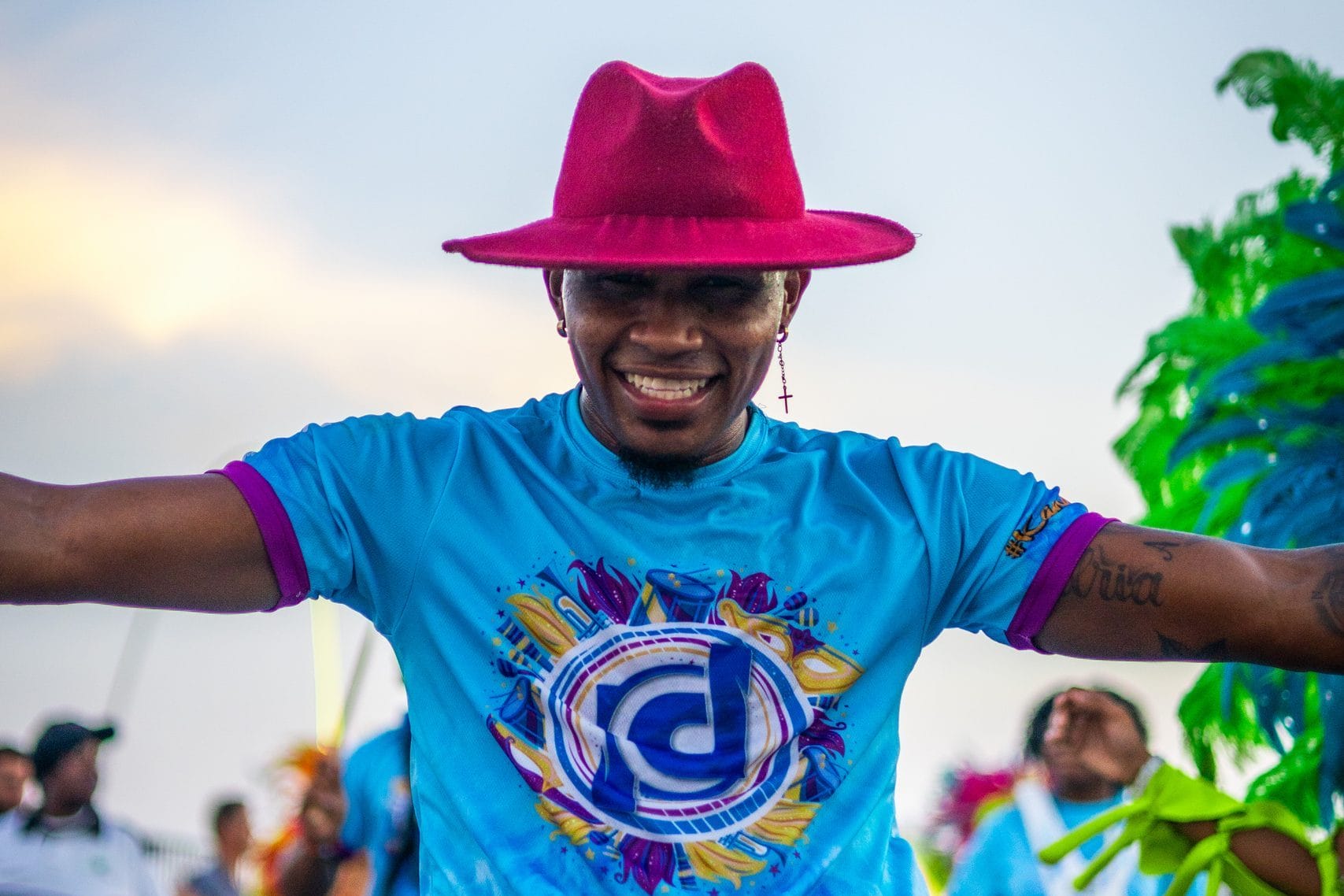
Perhaps nothing captures Curaçao’s one-of-a-kind identity better than Papiamentu, the island’s native Creole language. It contains elements of Portuguese, Spanish, African languages, Dutch, French, English, and Arawak languages, and it’s an official language alongside Dutch and English. You’ll hear it on the street, on local TV, and even in Parliament. Locals are delighted when guests know a little Papiamentu, so before your trip, learn a few greetings and commonly-used words, and you’re sure to see a smile.
Plan Your Visit to Curaçao Today!
Curaçao offers the perfect blend of culture, color, and coastline, and that’s what makes it feel so different from other Caribbean islands. Dutch architecture, Caribbean traditions, Latin American flair, and a language all its own come together in one easy-to-love destination.
Make LionsDive Beach Resort your home base for discovering Curaçao’s culture. Explore the island at your own pace, then return to the beach to relax. Reserve your stay at LionsDive Beach Resort and make this island experience your own!


